Strategy · Updated for 2026
F1 tyre warm-up explained
Why a fresh tyre may be slower for part of a lap before reaching its useful temperature window.
Quick answer
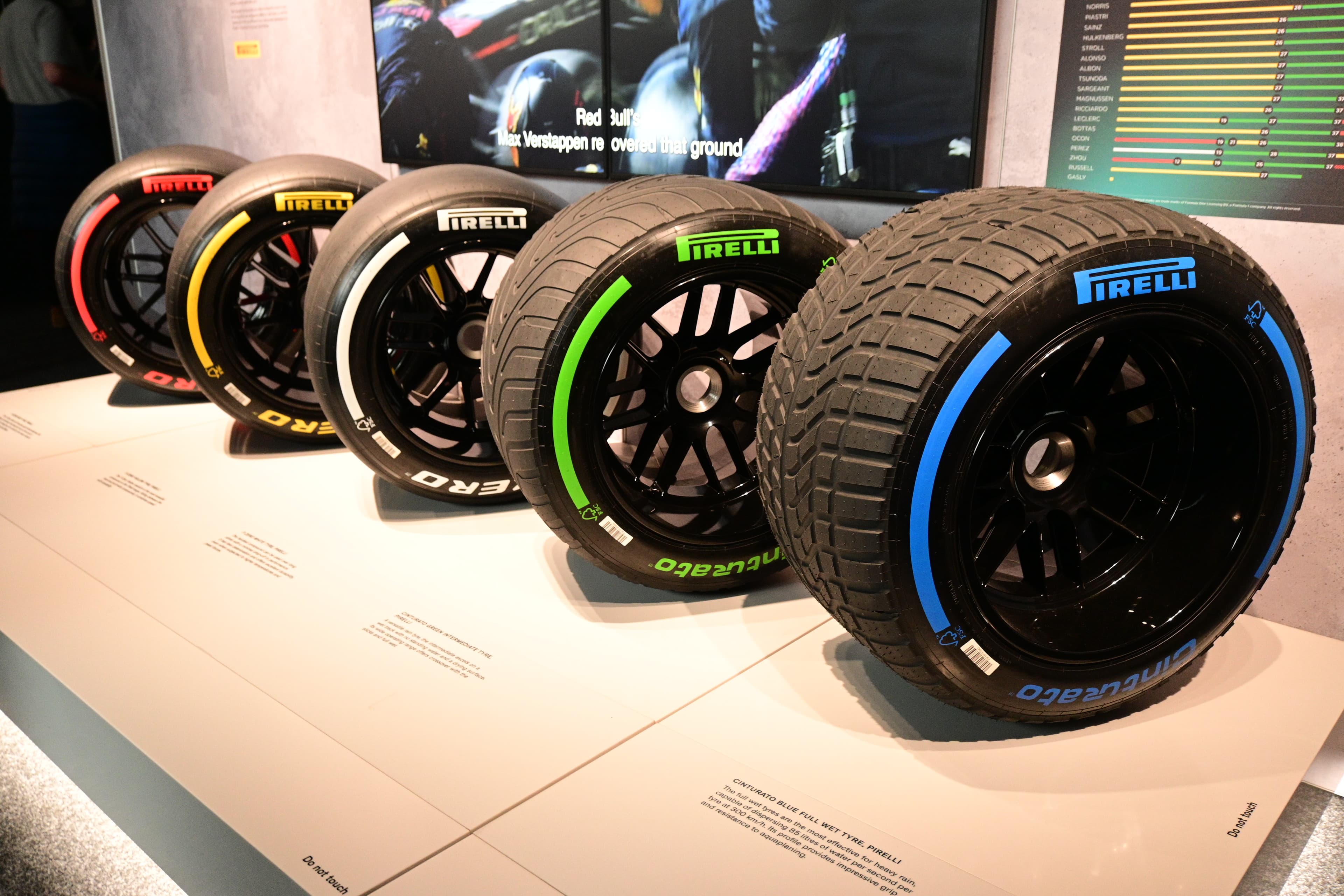
Tyre warm-up is the process of building carcass and surface temperature so the rubber produces predictable grip. Too little temperature causes sliding; too much causes overheating.
01
Creating temperature
Braking, acceleration, steering load and controlled weaving put energy into tyres. Teams also use permitted blankets before fitment under the current rules.
02
The out-lap challenge
A qualifying driver needs enough energy for the first push lap without overheating before its final corners. Traffic can disrupt that preparation.
03
Strategic consequence
A fresh tyre with slow warm-up may not immediately beat an older tyre. That can weaken an undercut and strengthen an overcut.