Strategy · Updated for 2026
F1 pit-stop strategy explained
Teams balance tyre life, traffic, weather and safety-car probability when choosing a stop lap.
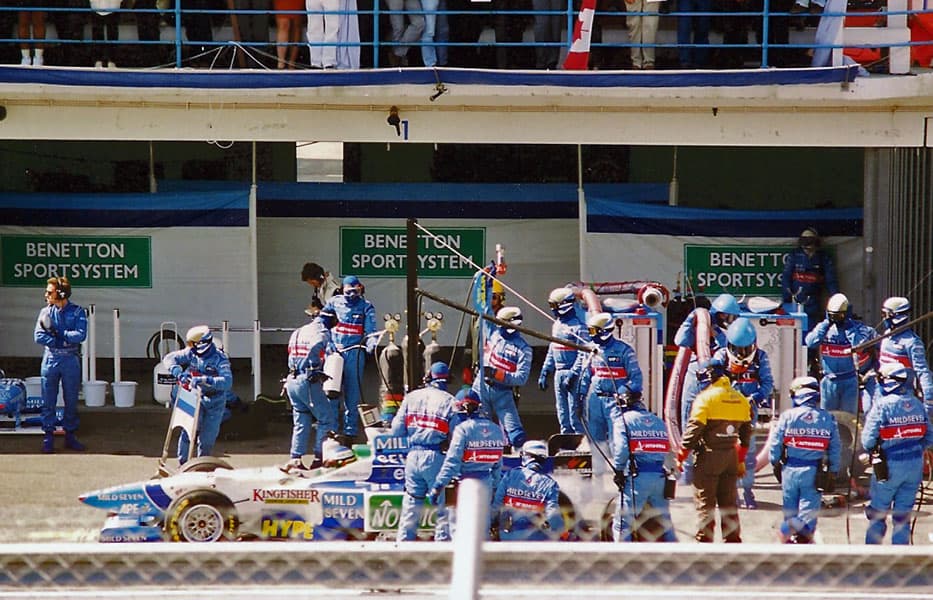
Quick answer
A pit stop costs track position but can buy much faster tyres. The best lap depends on the gap to traffic, degradation, pit-lane time loss and how rivals are likely to respond.
01
Pit-loss time
The stationary tyre change may last only seconds, but slowing for pit entry, respecting the speed limit and accelerating out account for most of the total loss.
02
The pit window
A team looks for laps where the driver can stop and rejoin in useful space, while still reaching the finish on the next tyre set.
03
Uncertainty
A safety car, rain shower or rival's unexpected pace can overturn a mathematically tidy plan. Strategy is decision-making under incomplete information.