2026 rules · Updated for 2026
How an F1 turbocharger works
How exhaust energy compresses intake air and why turbo response changed after the MGU-H disappeared.
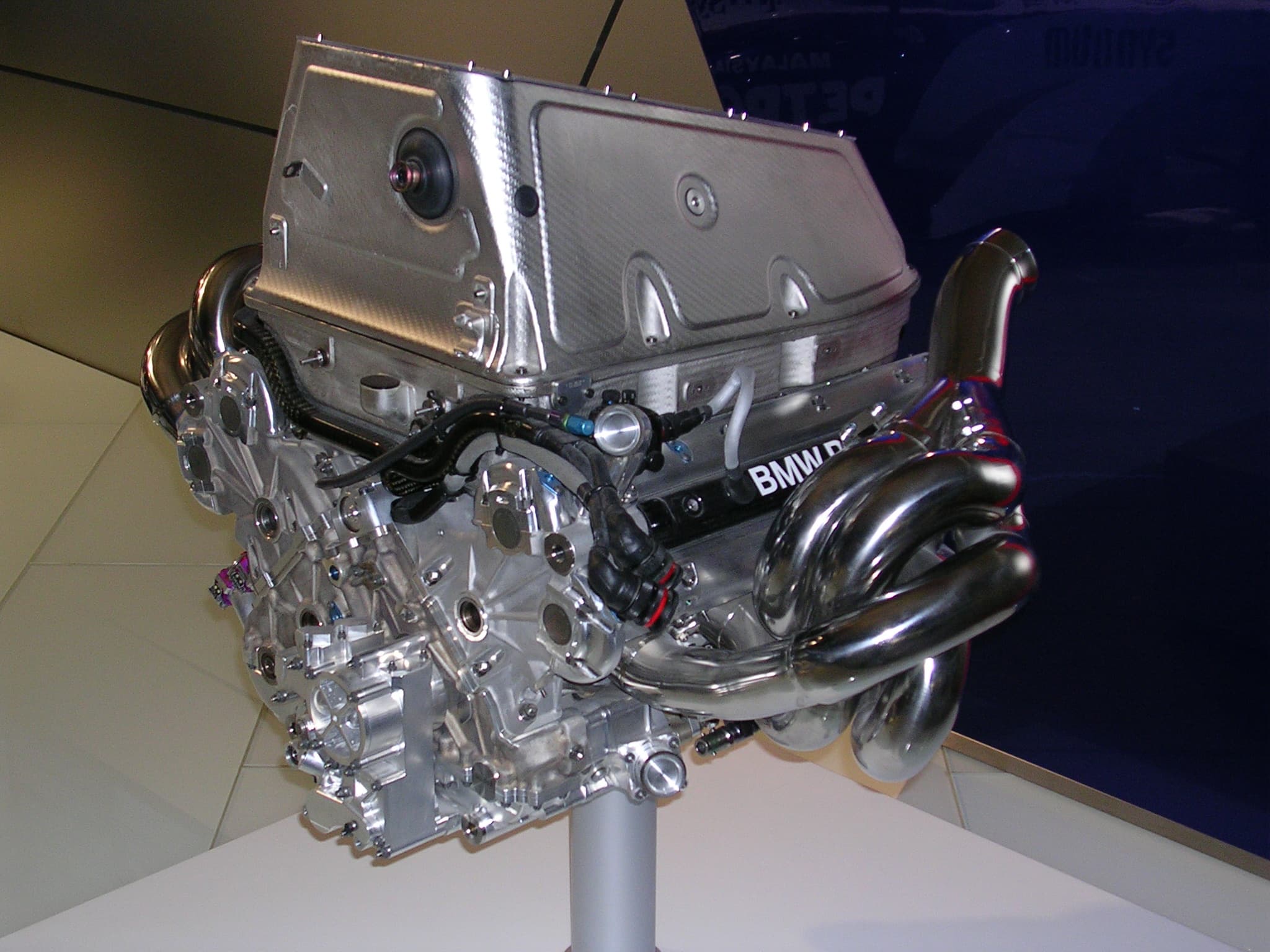
Quick answer
Exhaust gas spins a turbine connected to a compressor, forcing more air into the V6 so it can produce more power. In 2026 the turbo no longer has an MGU-H to control its speed.
The airflow path
Hot exhaust drives one side of the shaft; the compressor on the other side pressurises fresh intake air. More oxygen allows useful combustion from a compact engine.
Response
The turbine must be spinning quickly before it supplies maximum boost. Removing the MGU-H makes exhaust flow and throttle technique more visible in the response of the 2026 unit.
Reliability and allocation
The turbocharger is a separately tracked power-unit component. Teams must balance performance against its permitted seasonal allocation.