2026 rules · Updated for 2026
How active aerodynamics works in 2026 Formula 1
Movable front and rear wing elements now switch between cornering and low-drag configurations.
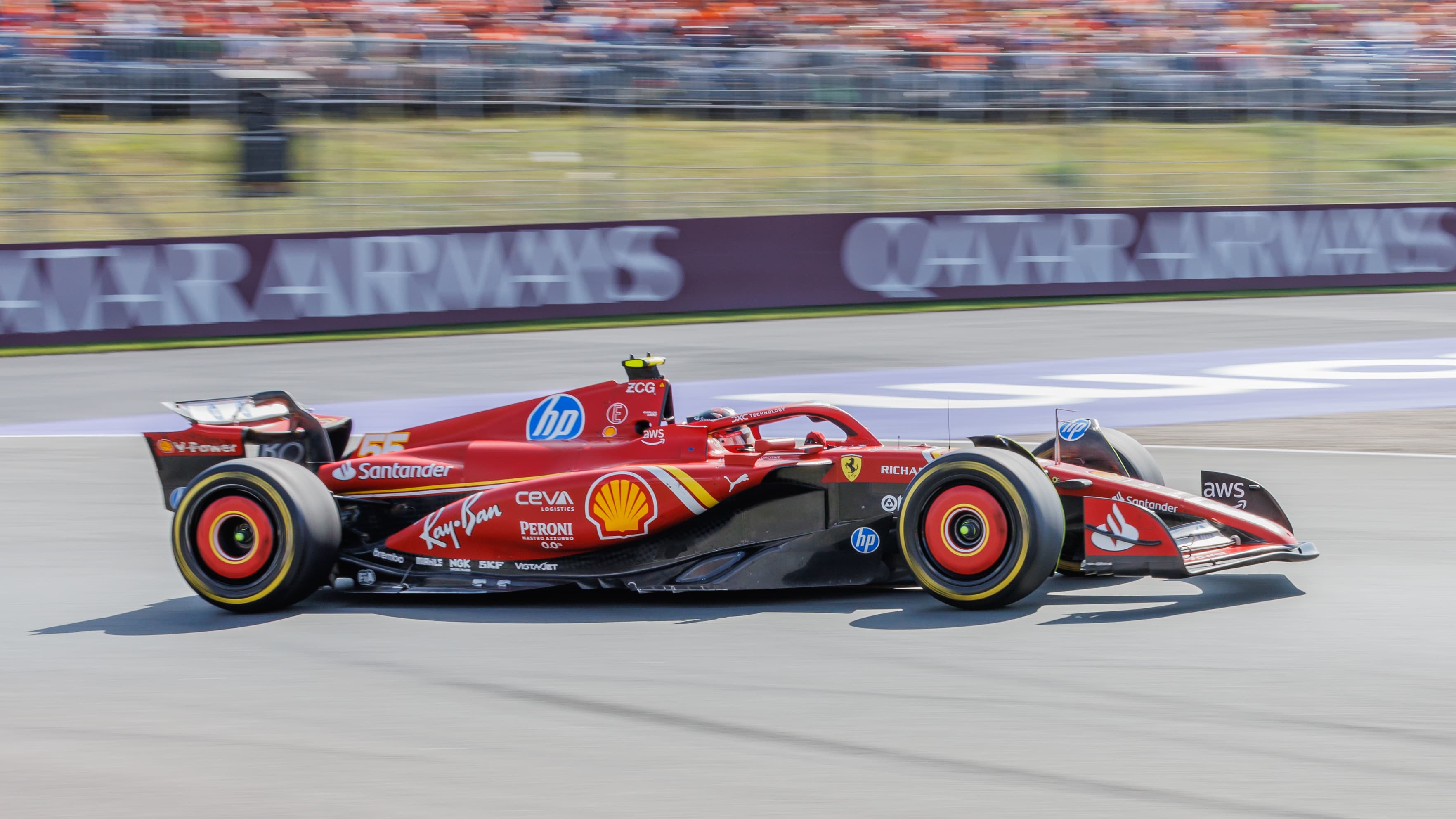
Quick answer
Active aerodynamics changes both front and rear wing angles in designated parts of the circuit. Corner Mode prioritises downforce; Straight Mode reduces drag. Unlike the old DRS, Straight Mode is not a one-second overtaking reward.
Why both wings move
Opening only the rear wing would shift the car's aerodynamic balance. Moving front and rear elements together keeps the platform predictable as drag and downforce fall on a straight.
Where drivers use it
The FIA defines eligible high-speed sections. The car runs its high-downforce configuration for corners and changes to the low-drag configuration on approved straights, with safety logic governing the transition.
What it replaces
The familiar DRS rear-wing flap is gone. The 2026 system manages the car's efficiency for the whole field; the close-following performance aid is now Overtake Mode.