2026 rules · Updated for 2026
F1 Corner Mode explained
The high-downforce active-aero configuration used away from designated straight-line sections.
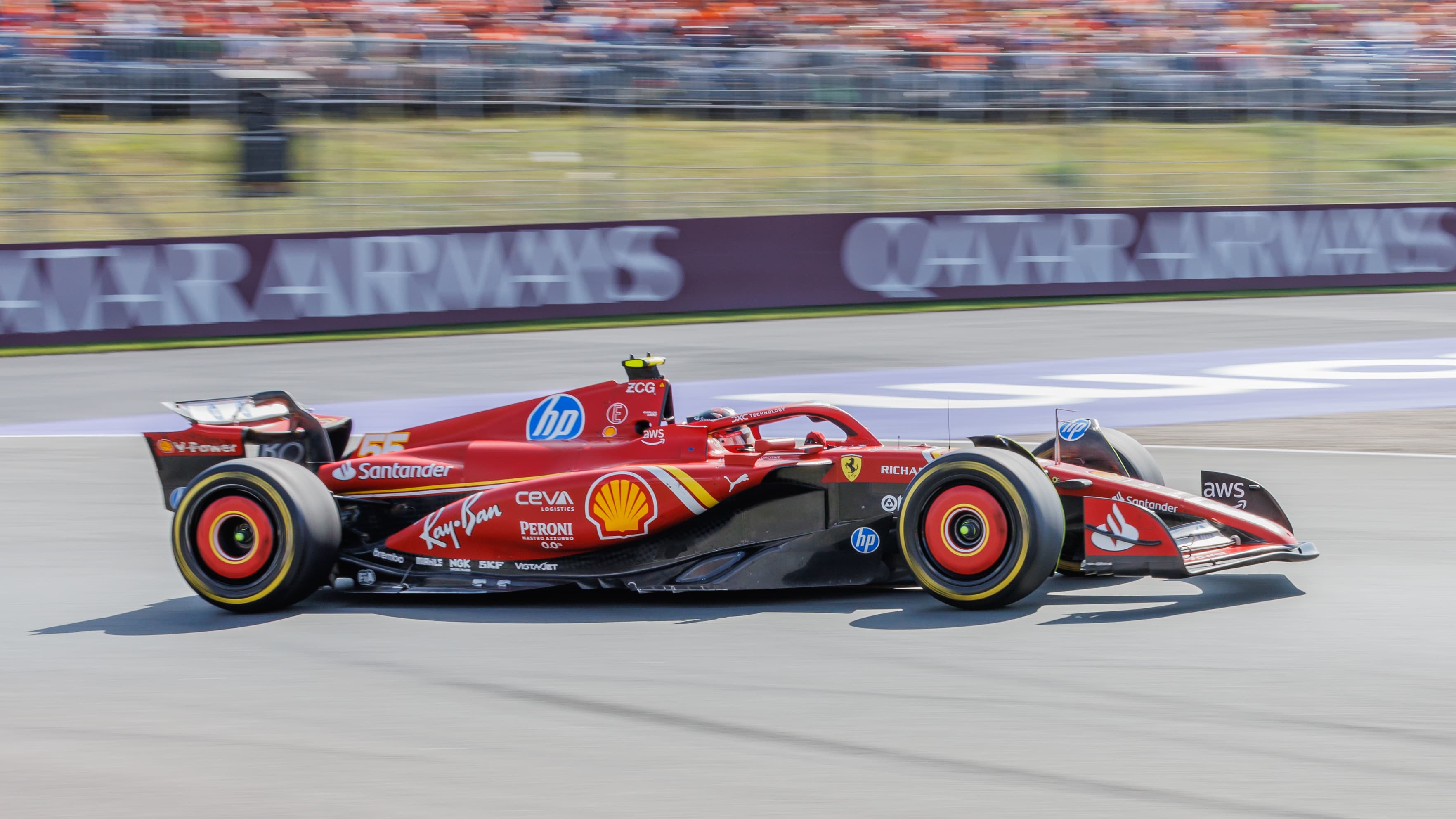
Quick answer
Corner Mode closes the active wing elements into the high-downforce position, giving the car the grip and stability needed for braking and cornering.
The job of Corner Mode
A wing that produces grip also produces drag. In corners, that trade is worthwhile: the tyres need vertical load to generate speed and the driver needs a stable aerodynamic balance.
Transition safety
The car must return to its cornering configuration before the next braking and turning demand. Regulations and control systems define where switching can occur and provide fail-safe behaviour.
Terminology update
Early 2026 concepts used the label Z-Mode. Formula 1 later standardised the clearer public term Corner Mode, which is the terminology used throughout this site.