2026 rules · Updated for 2026
Turbo lag in 2026 Formula 1 explained
The delay between a throttle request and full boost after the MGU-H was removed.
Quick answer
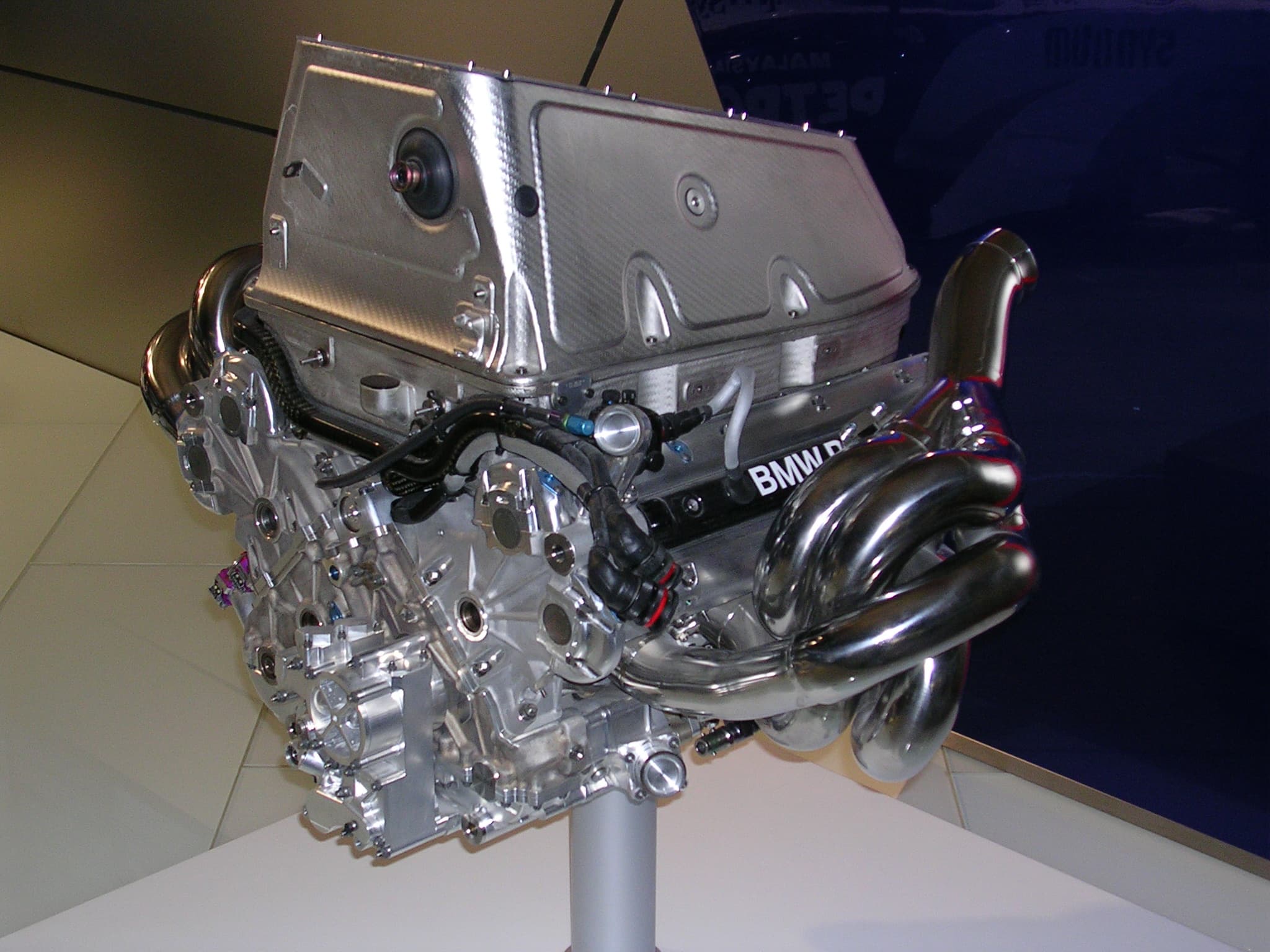
Turbo lag is the short delay while exhaust flow accelerates the turbocharger after the driver asks for power. The previous MGU-H could help keep the turbo spinning; the 2026 unit cannot use that method.
01
Why the delay exists
The turbine and compressor have inertia. Exhaust energy must build and accelerate the shaft before the compressor supplies its intended boost pressure.
02
Starts and slow corners
Low engine speed and sudden throttle demand can expose the effect, influencing clutch release, traction and how a driver feeds in power.
03
How teams respond
Turbo sizing, combustion control, gear selection and energy deployment can shape the sensation, but they must stay inside the technical rules.