Strategy · Updated for 2026
F1 Safety Car pit strategy explained
Why a neutralised field can make a tyre change cheaper while creating new track-position and pit-lane risks.
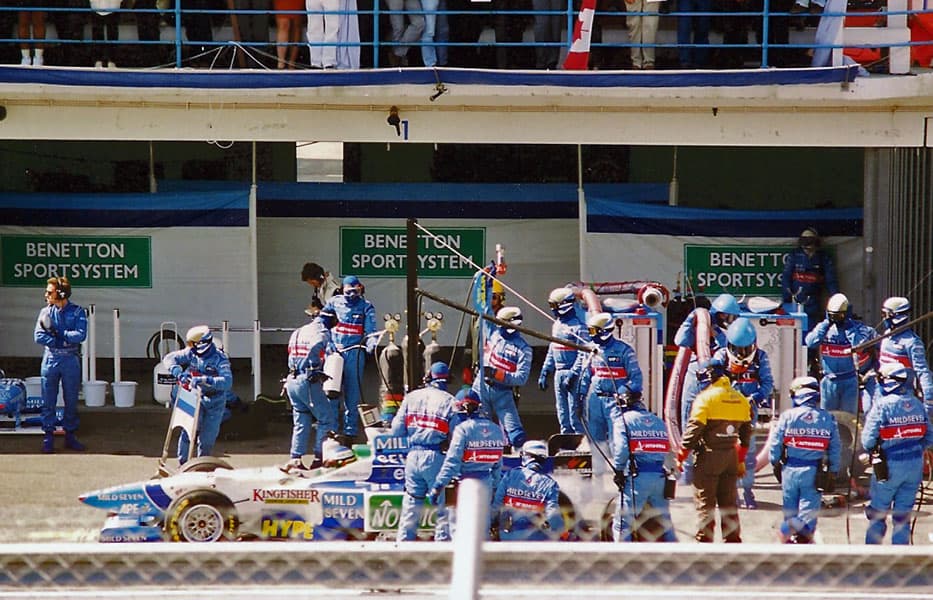
Quick answer
Pitting under the Safety Car usually costs less relative race time because cars on track are circulating slowly. The stop is not automatically free: track position, pit entry status, tyre needs, traffic and double stacking determine whether it helps.
Why the stop is cheaper
The pitting car travels through the pit lane at its limit while rivals cover the circuit at controlled Safety Car speed. The time difference between those paths is therefore smaller than under green-flag racing.
The immediate decision
Strategists assess tyre age, remaining distance, the queue's location and likely restart compound. Waiting for perfect information can miss the chance because the field continues to move.
Reasons to stay out
A driver may gain the lead by remaining on track, avoid queuing behind a team-mate or lack a suitable tyre set. If passing is difficult, retained track position can outweigh the fresher rubber behind.