2026 rules · Updated for 2026
F1 push-rod versus pull-rod suspension
How the direction of the suspension link changes packaging, access and airflow.
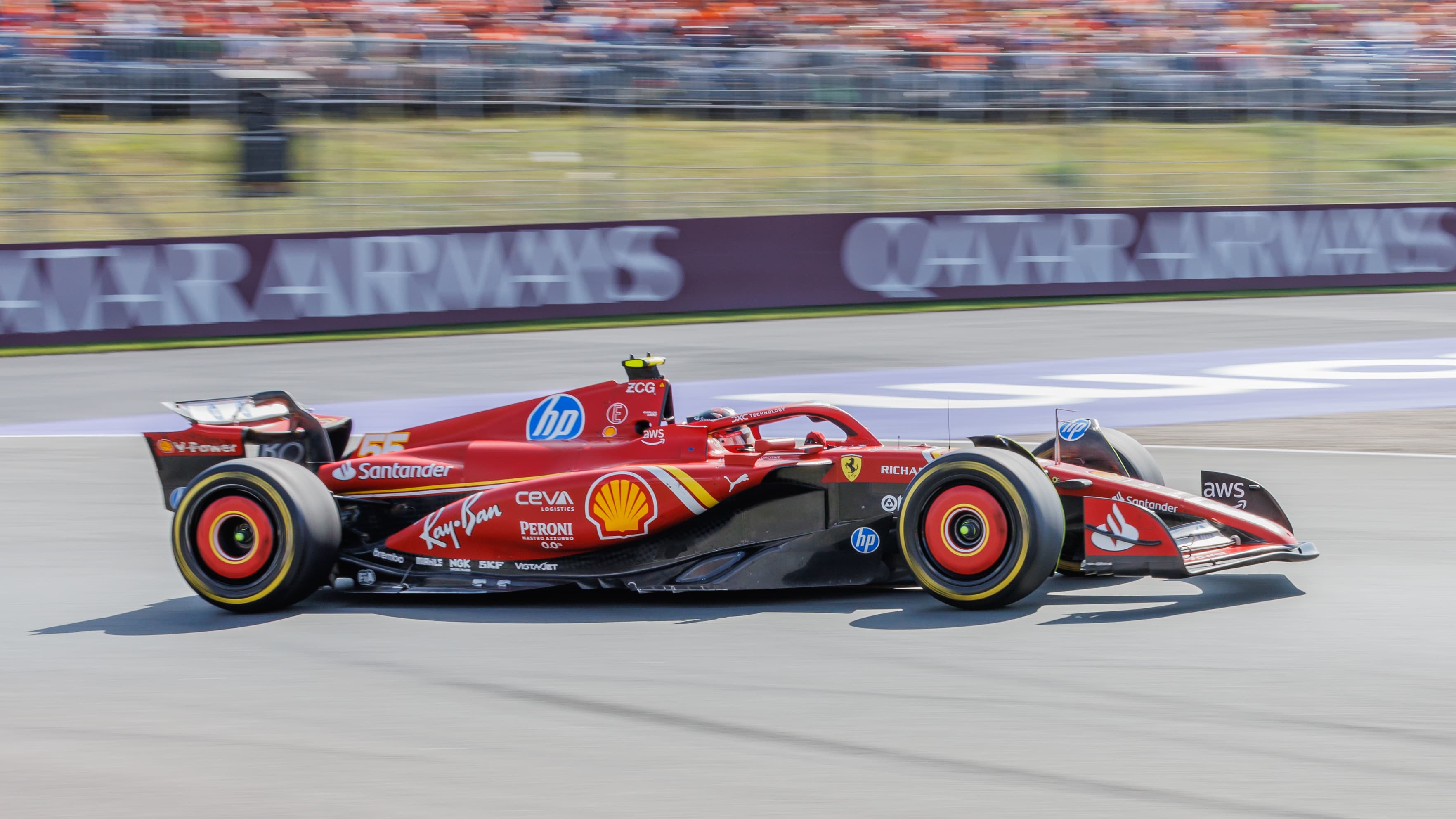
Quick answer
A push-rod is compressed upward as the wheel rises; a pull-rod is placed in tension and pulls downward. Both operate inboard springs and dampers, with teams choosing the layout for packaging and aerodynamic reasons.
Push-rod layout
The diagonal link usually rises from the wheel toward a higher inboard rocker. It can offer convenient access and a mechanically straightforward installation.
Pull-rod layout
The rod usually runs downward toward a lower rocker, moving mass and hardware lower but potentially making access more difficult.
Why teams differ
Floor inlets, brake ducts, gearbox shape, centre of gravity and serviceability all matter. A layout only works as part of the complete car concept.