2026 rules · Updated for 2026
Porpoising in Formula 1 explained
The high-speed vertical oscillation created when underfloor aerodynamic load repeatedly builds and collapses.
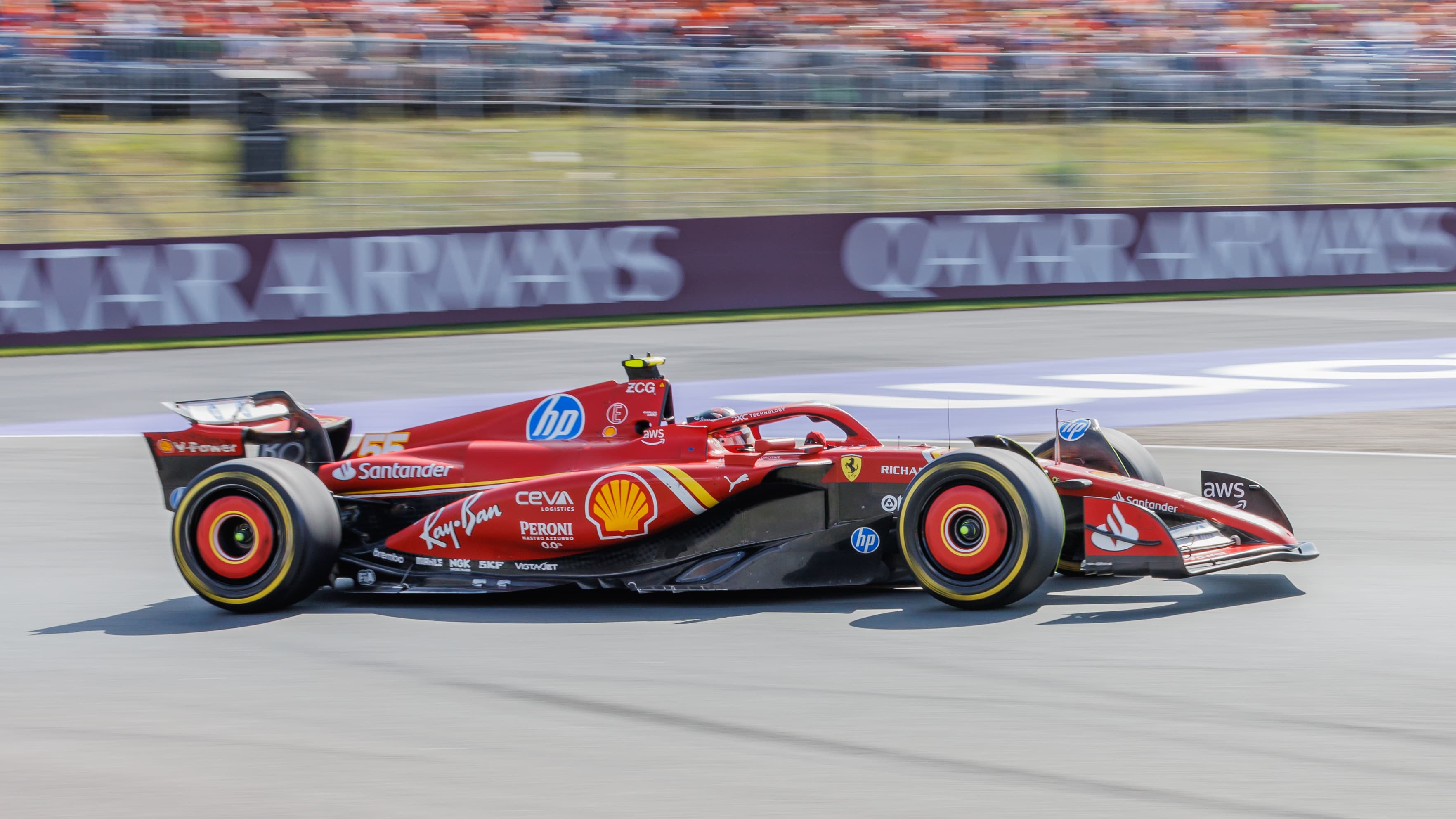
Quick answer
Porpoising occurs when the floor pulls the car closer to the track until airflow or clearance changes sharply, reducing load so the car rises; the airflow then recovers and the cycle repeats.
The feedback cycle
More speed creates more underfloor load and lowers the car. If the flow stalls or the floor contacts the track, load falls, the suspension rebounds and the tunnel begins working again.
Driver and car impact
Repeated bouncing can affect braking confidence, visibility, component life and driver comfort, not just aerodynamic efficiency.
How teams control it
Raising ride height, changing stiffness or reshaping the floor can move the trigger away from important speeds, but each response may surrender downforce or setup freedom.