2026 rules · Updated for 2026
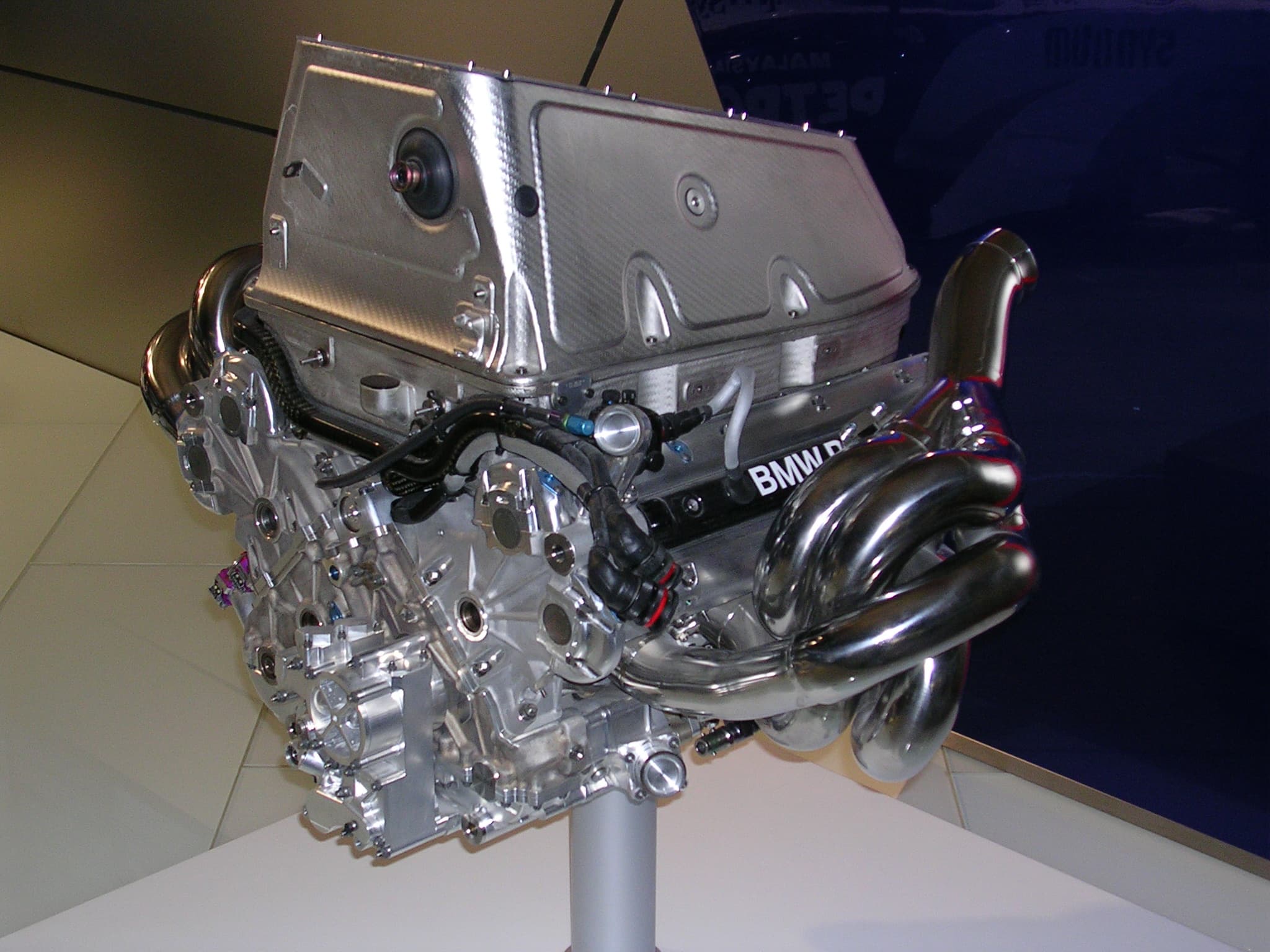
The F1 internal combustion engine explained
The 1.6-litre turbocharged V6 at the thermal centre of Formula 1's hybrid system.
Quick answer
The ICE burns an air-and-fuel mixture in six cylinders to create crankshaft torque. It remains a 1.6-litre turbo V6 in 2026 but works alongside a far stronger electrical system.
01
Why ICE and power unit differ
The engine is the combustion component. The power unit is the wider assembly that also includes the turbo, MGU-K, Energy Store and control electronics.
02
The 2026 balance
Electrical power supplies a much larger share than before, allowing the combustion side and fuel-energy limits to be designed as part of one integrated system.
03
Efficiency before displacement
Output is not a simple function of engine size. Combustion efficiency, turbocharging, fuel energy and hybrid deployment all shape the total.