2026 rules · Updated for 2026
How Formula 1 suspension works
How wishbones, springs, dampers and geometry keep the tyres working while controlling the aerodynamic platform.
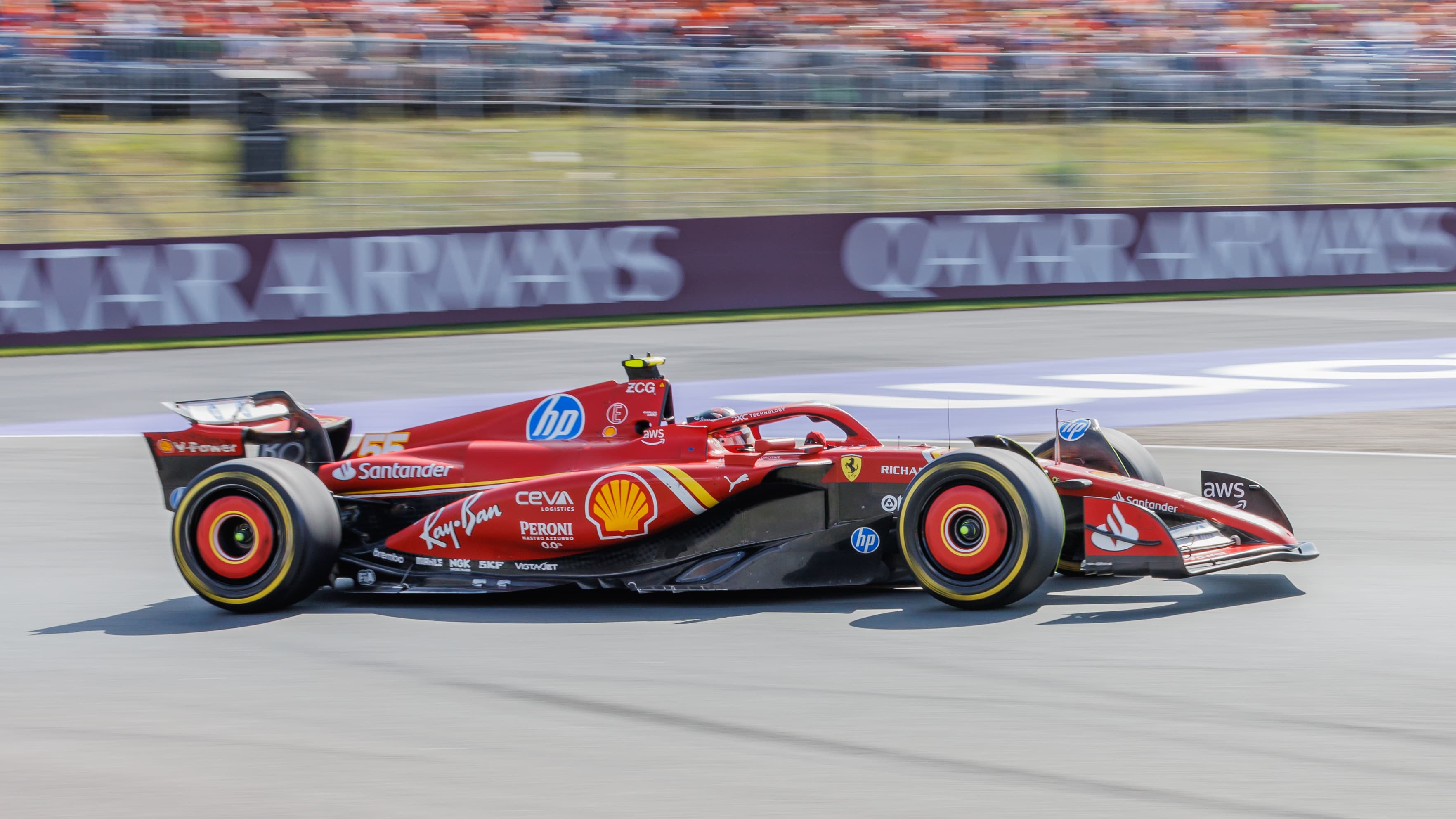
Quick answer
F1 suspension connects each wheel to the chassis, allows controlled movement over bumps and keeps tyre contact and ride height within a useful window. Its mechanical and aerodynamic jobs are inseparable.
The visible links
Upper and lower wishbones locate the wheel, while a push-rod or pull-rod transfers movement to springs and dampers mounted inside the bodywork.
Grip versus platform
Softer movement can help the tyre follow bumps, while tighter control keeps the floor and wings at predictable attitudes. Setup balances both needs for each circuit.
Aerodynamic influence
Suspension arms sit in exposed airflow and affect the wake around the tyres and floor. Their permitted shapes and positions are therefore regulated as well as structurally critical.