2026 rules · Updated for 2026
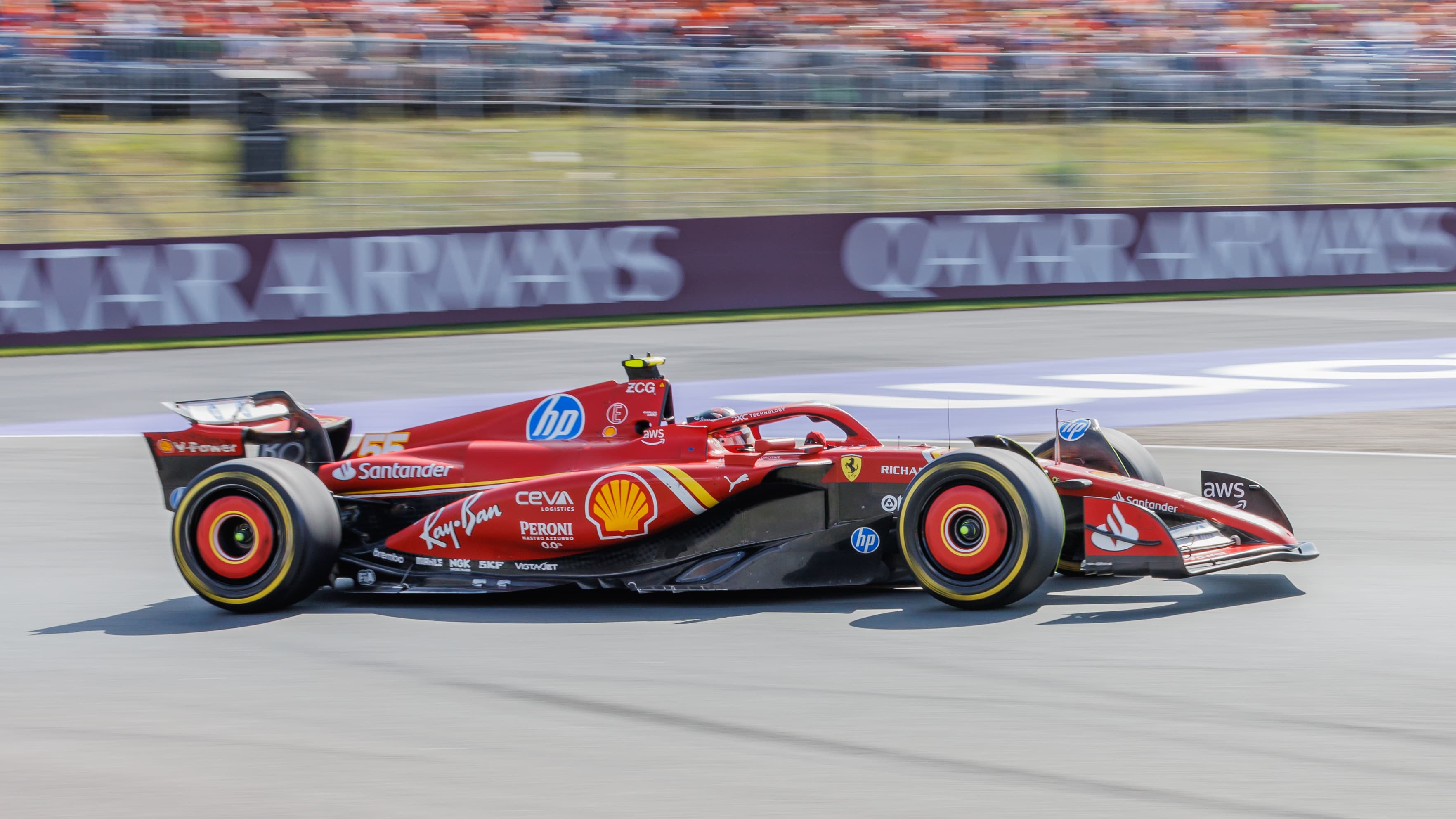
F1 sidepods explained
Why the bodywork beside the cockpit combines cooling, side-impact protection and aerodynamic shaping.
Quick answer
Sidepods house cooling hardware and help cover mandatory side-impact structures while shaping airflow toward the floor and rear of the car. Their external form reflects all three jobs.
Cooling volume
Inlets must supply enough air to the internal heat exchangers, while the internal duct and exit paths determine how effectively hot air leaves.
Safety structure
Prescribed impact structures project from the survival cell beneath the bodywork. Designers must package aerodynamic surfaces around those fixed safety needs.
External airflow
Undercuts, upper surfaces and rear taper guide air around the floor edge and toward the diffuser region. A cooling choice therefore changes aerodynamic opportunity.