2026 rules · Updated for 2026
F1 ride height explained
Why millimetres between the floor and track can transform downforce, drag and stability.
Quick answer
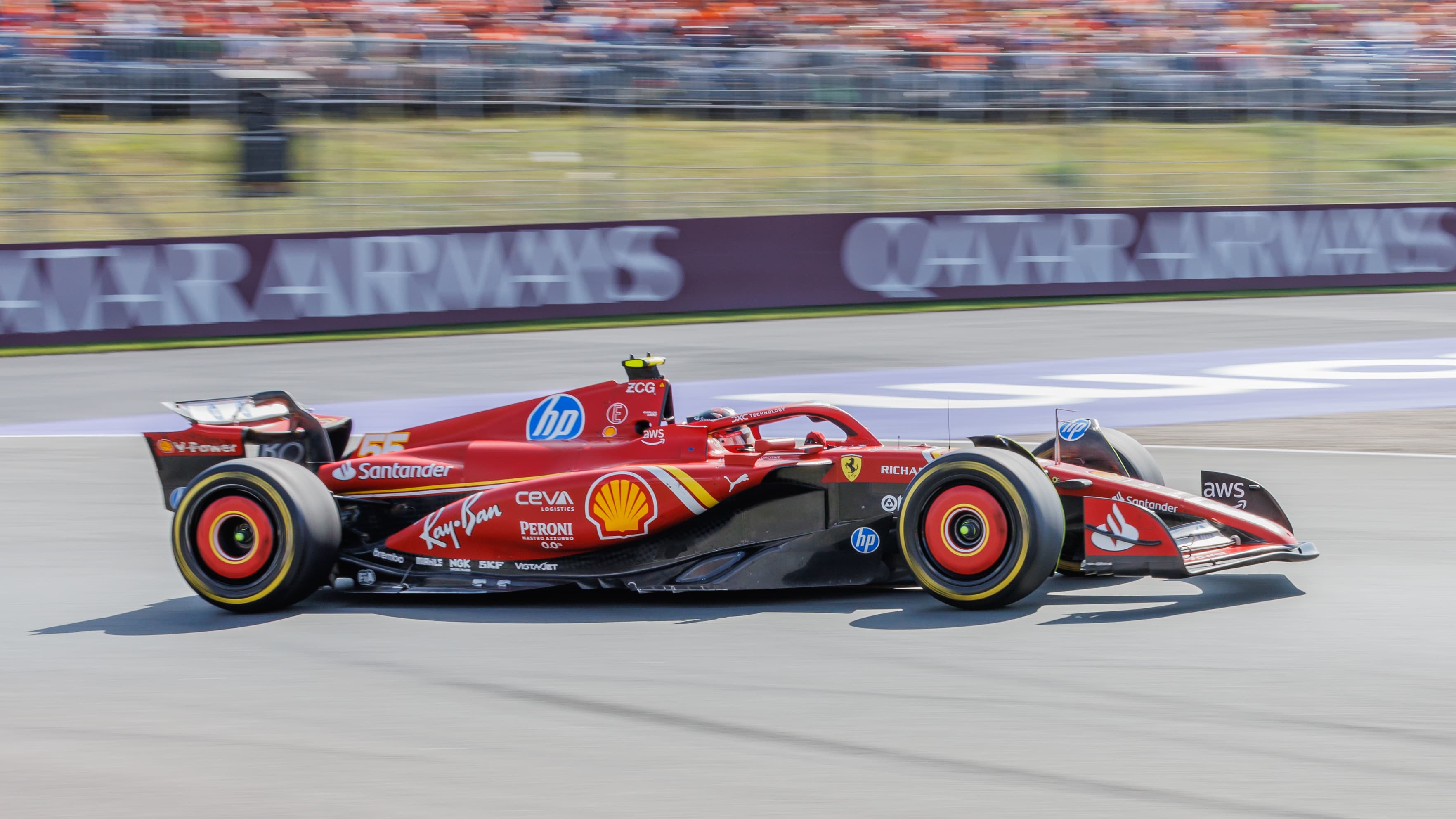
Ride height is the car's distance from the track at defined points. Lower running can strengthen underfloor performance, but bottoming, plank wear, kerbs and aerodynamic instability set practical limits.
Static and dynamic height
The garage setting is only a starting point. Downforce, braking, acceleration, fuel burn and bumps continually move the car during a lap.
The aerodynamic window
Underfloor tunnels need controlled clearance to accelerate air. Too high loses suction; too low can choke or stall the flow and make load unpredictable.
Circuit compromise
Smooth tracks reward lower settings, while kerbs and bumps require margin. Teams balance peak downforce against consistency and legal plank wear.