2026 rules · Updated for 2026
The F1 floor and diffuser explained
How shaped underbody airflow creates downforce with less exposed-wing disturbance.
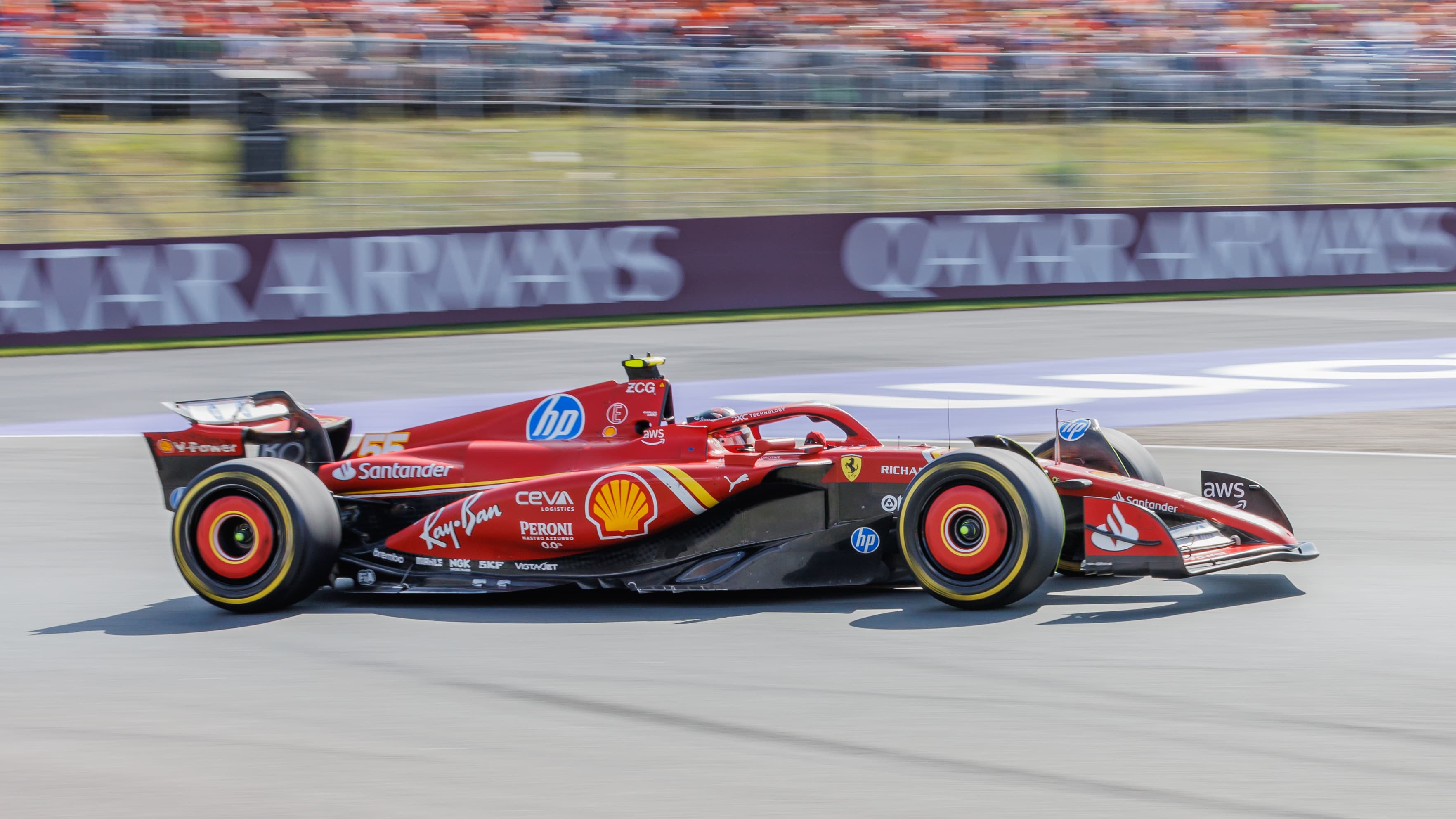
Quick answer
The floor accelerates air beneath the car to create low pressure, while the diffuser expands and manages that flow at the rear. The pressure difference helps push the car toward the track.
01
The pressure principle
Carefully shaped channels make underfloor air move and expand in a controlled way, producing a pressure field that loads the tyres.
02
The diffuser's job
The rising rear section helps the fast underbody stream return toward ambient pressure without separating abruptly and losing performance.
03
Why the floor is sensitive
Kerbs, pitch, roll and ride height change the available space and sealing behaviour. A small platform change can therefore cost a large amount of grip.