2026 rules · Updated for 2026
How an F1 clutch works
The compact multi-plate clutch used mainly to launch, stop and protect the drivetrain.
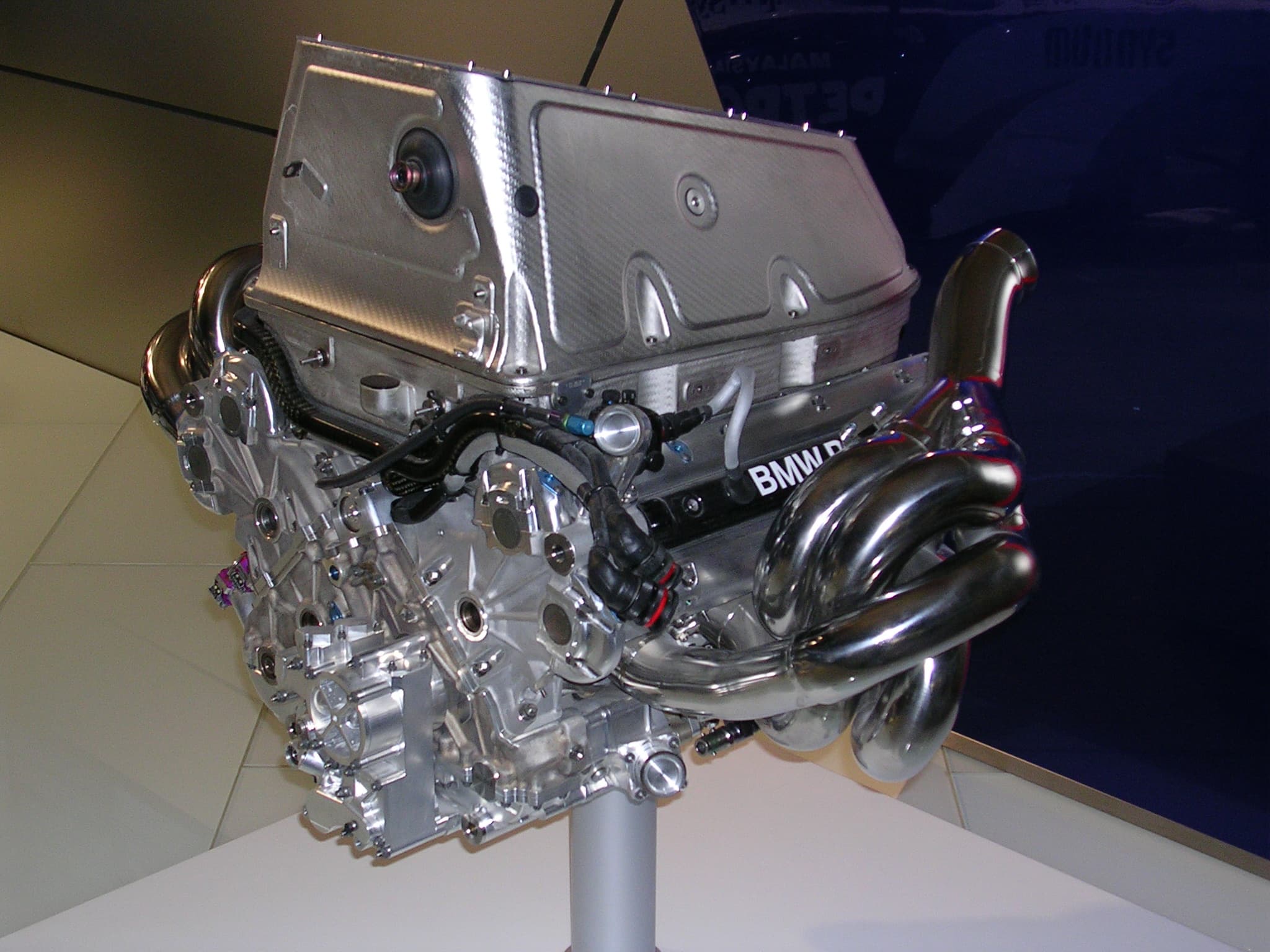
Quick answer
An F1 clutch connects and disconnects the power unit from the gearbox through compact friction plates. Drivers control it with paddles for starts and pit-lane manoeuvring while normal upshifts do not require a road-car clutch pedal.
The bite point
At the start, the driver releases the clutch through the calibrated region where torque begins reaching the rear wheels. Precision determines launch speed and wheelspin.
During the lap
Rapid sequential shifts are coordinated by the gearbox controls, so the driver does not operate a separate clutch pedal for every change.
Heat and wear
Holding the clutch in a slipping state creates heat. Teams limit unnecessary slip and monitor the system because its small plates handle enormous energy.