2026 rules · Updated for 2026
F1 brake ducts explained
How carefully routed air controls brake and tyre temperatures around each wheel.
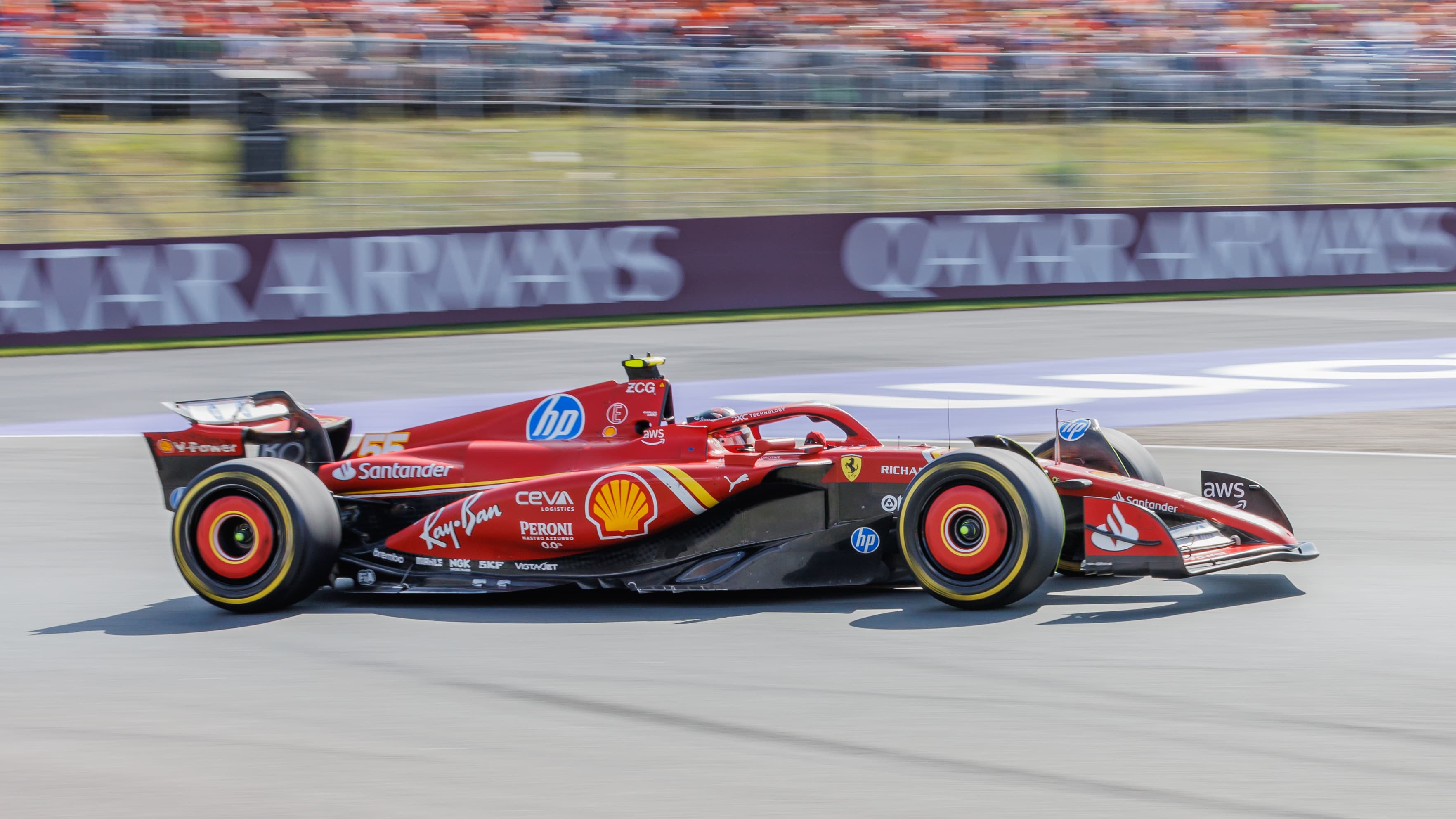
Quick answer
Brake ducts collect airflow and distribute it around the disc, caliper and wheel assembly. They must prevent brake overheating while helping the tyres stay in their useful temperature range.
Brake temperature
Carbon discs need substantial heat to work well but can oxidise or lose performance if temperatures rise too far. Internal channels send air where it is needed.
Tyre connection
Heat leaving the brake assembly reaches the rim and tyre. Teams manage that path differently at the driven rear and undriven front axles.
Circuit setup
Heavy-braking tracks require more cooling capacity. Enlarging an inlet protects hardware but increases aerodynamic disturbance, so teams avoid excess margin.