2026 rules · Updated for 2026
Engine braking in Formula 1 explained
How drivetrain resistance helps slow and stabilise the car when the driver lifts or downshifts.
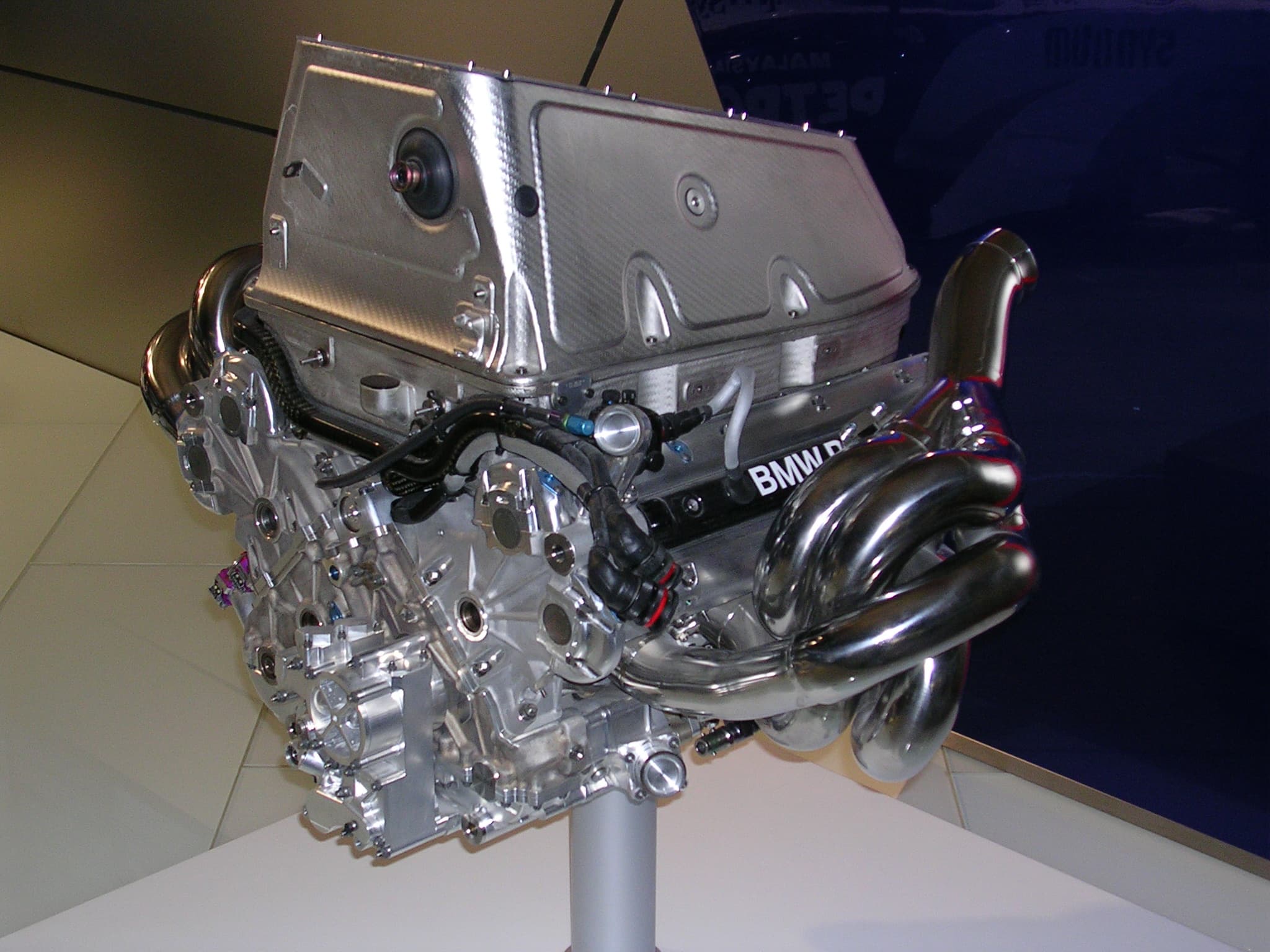
Quick answer
Engine braking is the decelerating torque produced through the powertrain when the driver reduces throttle. In a hybrid F1 car it must work alongside hydraulic brakes and MGU-K energy recovery.
Where the torque comes from
Compression, pumping and controlled power-unit behaviour resist the drivetrain when the rear wheels drive the engine rather than the engine accelerating the car.
Driver balance tool
More rear deceleration can help rotate the car into a corner but may also make the rear tyres less stable, especially in low grip.
Hybrid coordination
The MGU-K also applies negative torque while recovering energy. Control systems blend these effects with the requested brake balance so response stays predictable.