Strategy · Updated for 2026
Clean air and track position in F1 explained
Why leading a nearby rival can be strategically valuable even when the car behind has newer tyres or more raw pace.
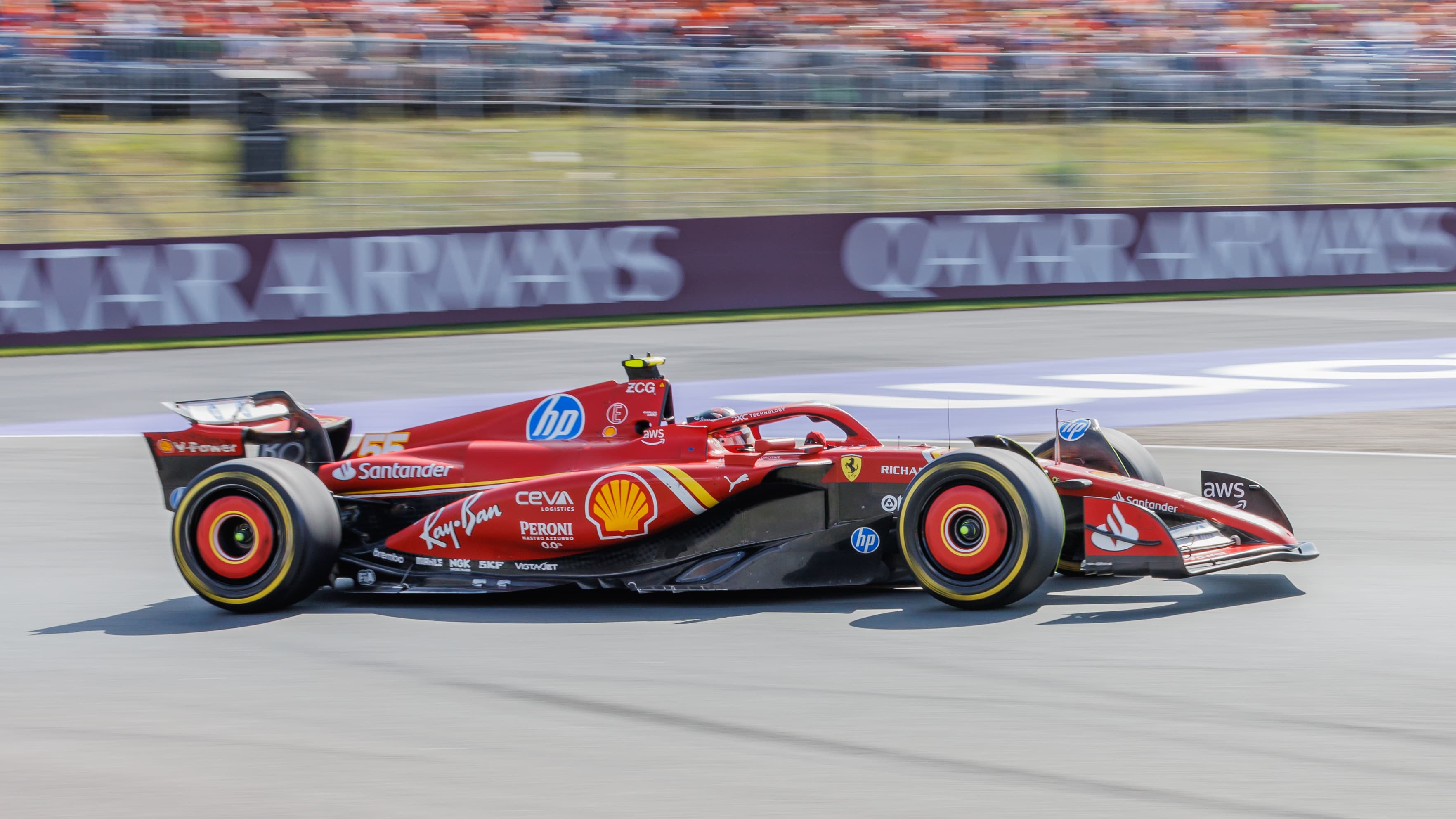
Quick answer
Track position is a car's place in the running order; clean air is the relatively undisturbed airflow available away from another car's wake. Being ahead can improve aerodynamic consistency and tyre control while forcing the following driver to find a pass.
The aerodynamic benefit
Front wings and floors work most predictably in undisturbed airflow. A following car encounters the leader's turbulent wake, which can reduce load and change balance through corners.
The tyre consequence
Reduced grip makes the driver slide more and can increase tyre temperatures. Dropping back may cool the car but sacrifices the pressure needed to attack.
Why strategy protects position
A theoretically faster tyre plan still needs space to use its pace. At circuits where passing is difficult, teams may prioritise an earlier stop or longer defensive stint simply to remain ahead.