2026 rules · Updated for 2026
F1 advanced sustainable fuel explained
The drop-in fuel requirement introduced with Formula 1's new power-unit generation.
Quick answer
From 2026, F1 cars use an advanced sustainable fuel designed so its carbon comes from sustainable sources rather than new fossil extraction, while still working in a racing combustion engine.
What drop-in means
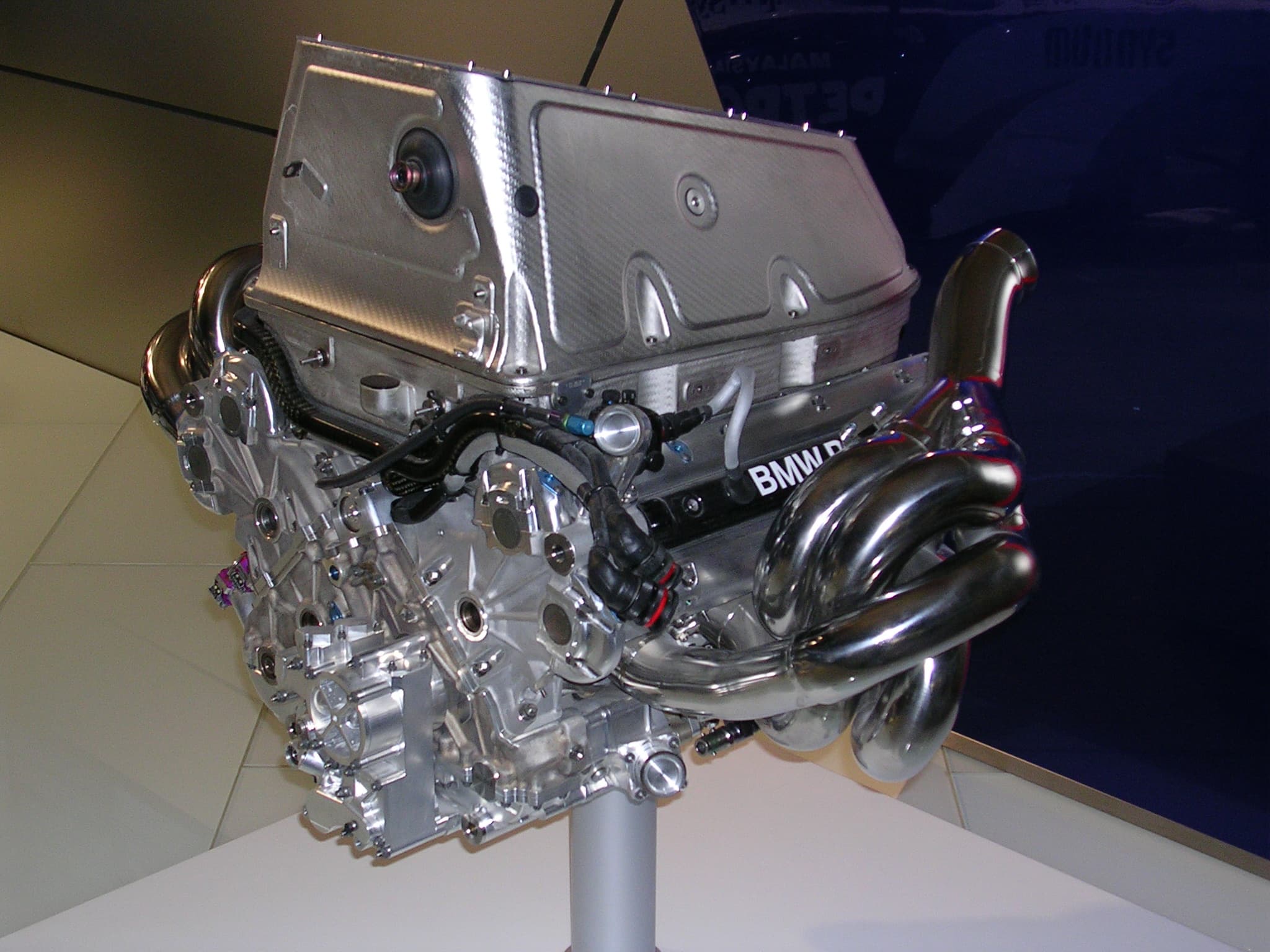
The fuel is intended to work in the existing type of internal-combustion architecture rather than requiring a completely different propulsion system.
Where the carbon can come from
Permitted pathways can use captured carbon, municipal waste or suitable non-food biological sources, provided the full specification and sustainability criteria are met.
Why racing is useful
The track creates a high-performance development environment. The broader value depends on whether production methods can scale economically outside motorsport.