2026 rules · Updated for 2026
2026 Formula 1 power units explained
A simpler turbo-hybrid formula with much more electrical power and no MGU-H.
Quick answer
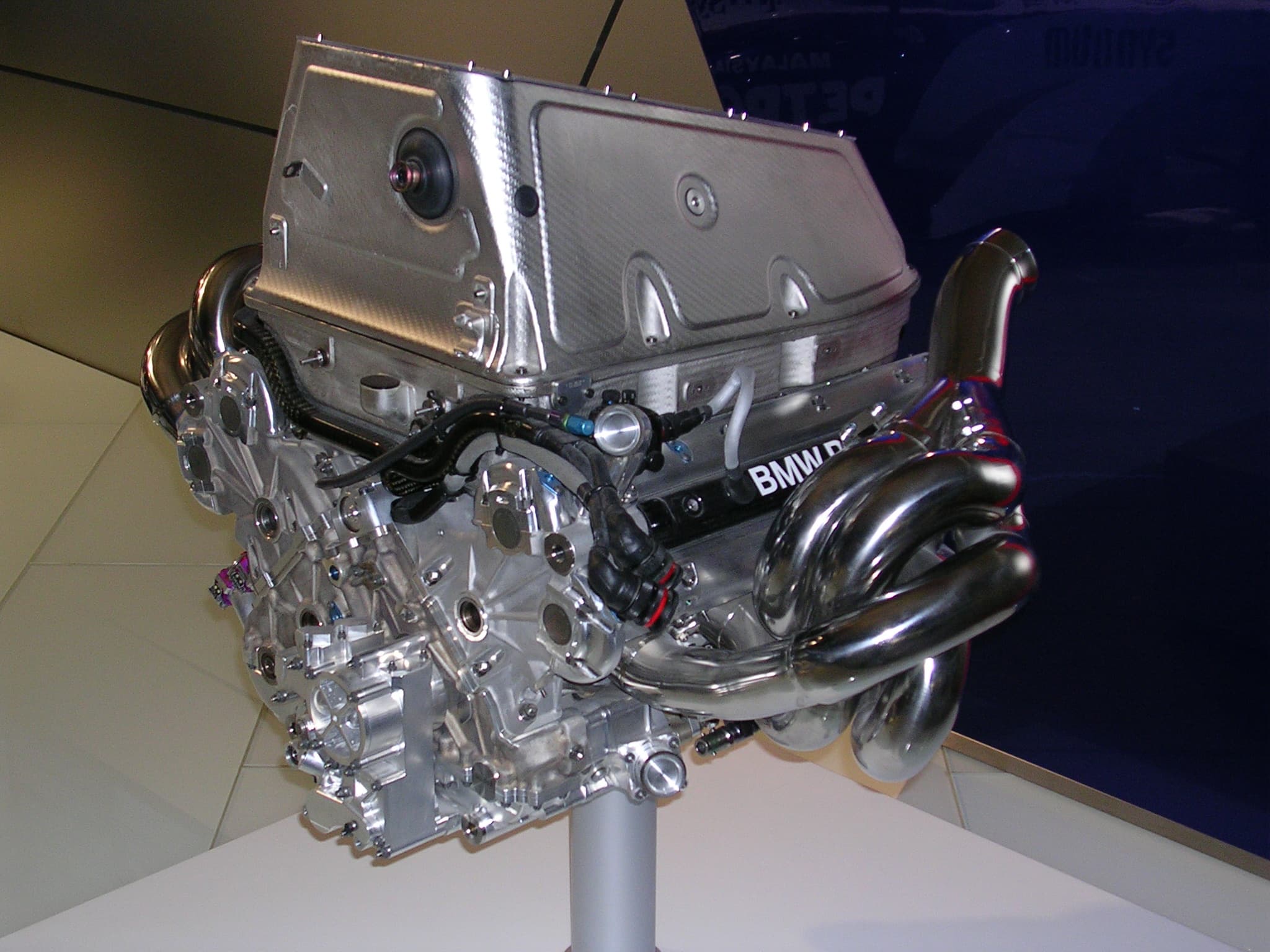
The 1.6-litre turbo V6 remains, but the MGU-H is removed and the MGU-K becomes far more powerful. The formula targets a much closer split between combustion and electrical output.
What stayed
Formula 1 kept the turbocharged V6 architecture, allowing the new rules to evolve hybrid racing technology without discarding the entire engine concept.
What changed
The heat-recovery MGU-H is gone. Electrical contribution comes chiefly through a much stronger kinetic motor-generator, making battery management visible in both attack and defence.
Why the chassis changed too
A car needing to harvest and deploy far more electrical energy benefits from lower drag and lower mass. That is why the power-unit and active-aero rules form one package.