2026 rules · Updated for 2026
Why the 2026 F1 cars are smaller and lighter
The 2026 dimensions reverse part of the long trend toward larger, heavier Formula 1 cars.
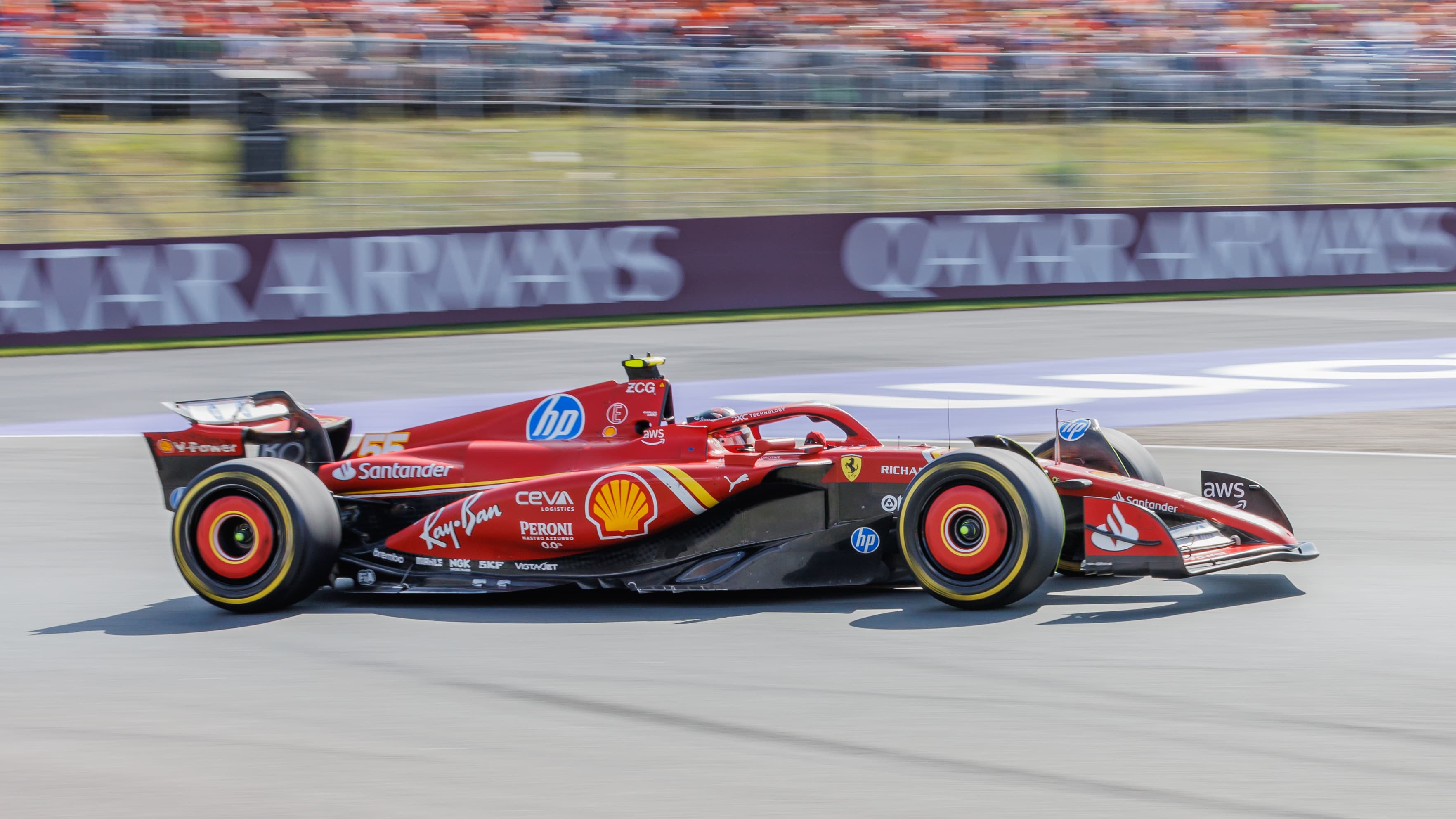
Quick answer
The new generation is shorter, narrower and lighter than its predecessor. The aim is a more agile car that suits the changed aerodynamics and power-unit energy demands.
Why size matters
A smaller footprint changes how readily a driver can place the car in a corner or alongside a rival. It can also reduce the wake and road blockage produced by the car.
Why weight matters
Lower mass helps braking, direction changes and tyre loading, though safety structures and the larger electrical system limit how far the minimum can fall.
Not a return to tiny cars
Modern survival cells, hybrid systems and wheels still make these substantial machines. The change is relative to the previous generation, not a recreation of a 1990s chassis.