Rules & penalties · Updated for 2026
F1 pit-lane starts explained
Why a car may be removed from the grid and required to join the race after the field has passed.
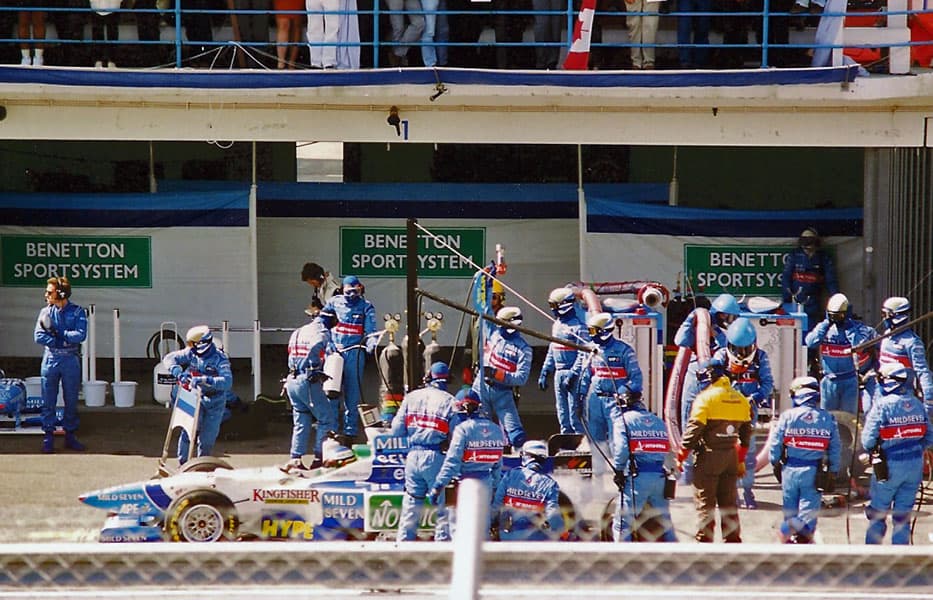
Quick answer
A pit-lane start is used when a car cannot take its grid place or when changes made under restricted conditions require it. The driver waits at pit exit and joins only after the starting field has passed, subject to the official signal.
Why it happens
Common causes include changes that breach parc fermé restrictions, a car that was not ready for the formation procedure, or repairs and alterations whose sporting consequence is a pit-lane start.
The start procedure
The car remains in the pit lane while the normal grid starts. It may leave only when pit exit is opened after the field has passed, so it begins behind the cars running on track.
More than a grid penalty
Starting from the pit lane changes the opening-lap context: the driver misses the grid launch and may lose further time waiting for a safe release. Multiple pit-lane starters are ordered under the applicable regulations.