Rules & penalties · Updated for 2026
Mandatory F1 tyre compounds explained
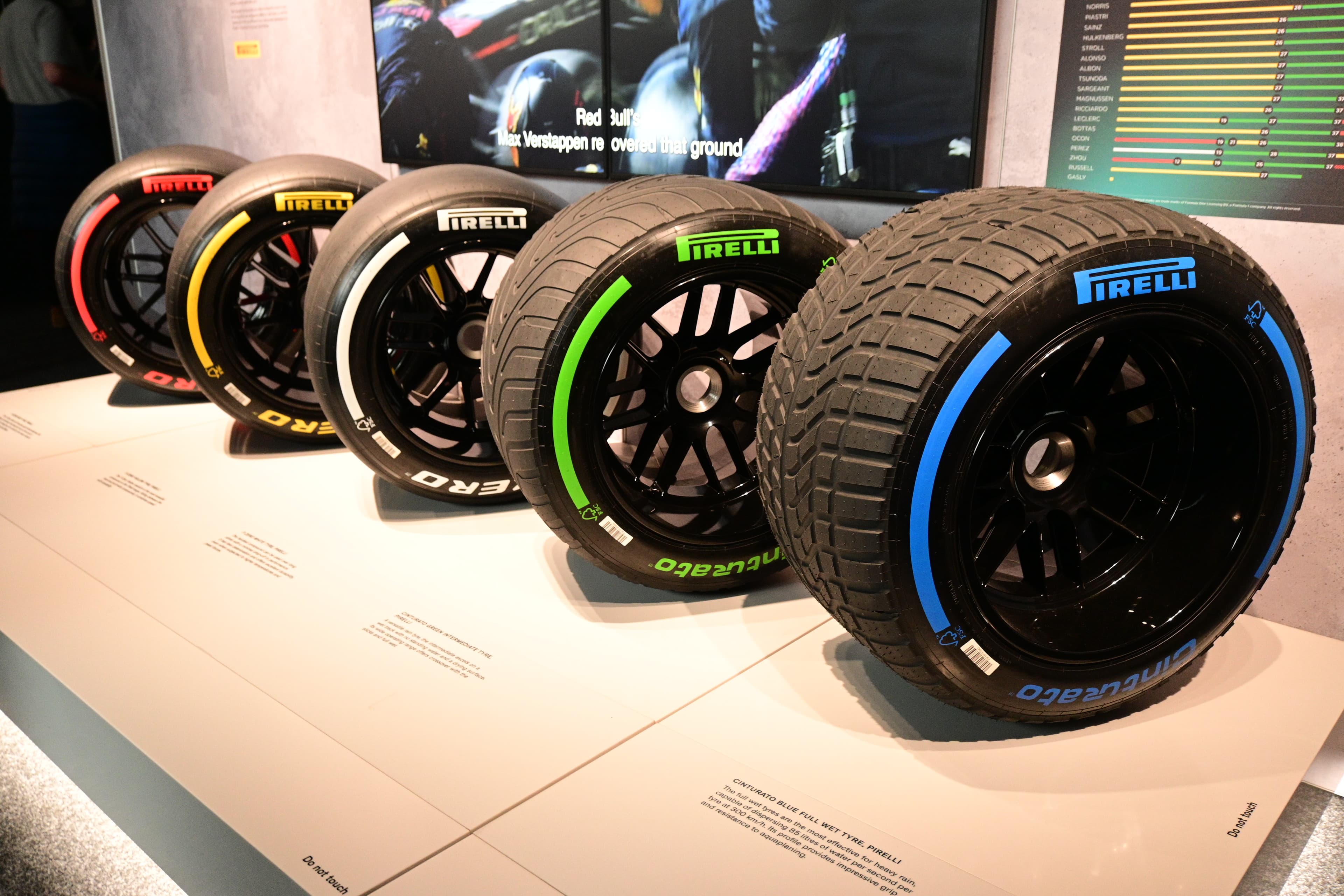
Why a dry Formula 1 race normally requires more than one slick compound.
Quick answer
When the race remains dry, each driver must normally use at least two different slick tyre specifications, making at least one change necessary. Wet-weather use can alter that obligation under the regulations.
The strategic purpose
Requiring more than one specification prevents a straightforward no-stop dry race and makes teams balance faster rubber against durability and pit-loss time.
How compliance works
A driver must complete racing use on each required specification rather than merely fitting it ceremonially. The timing screen and tyre records make compliance visible.
Weather exceptions
If recognised wet-weather tyres are used, the dry-compound requirement can cease to apply in the form described by the current sporting rules.