Rules & penalties · Updated for 2026
The F1 floor plank and skid blocks explained
How underfloor wear limits how low and aggressively a Formula 1 car can run.
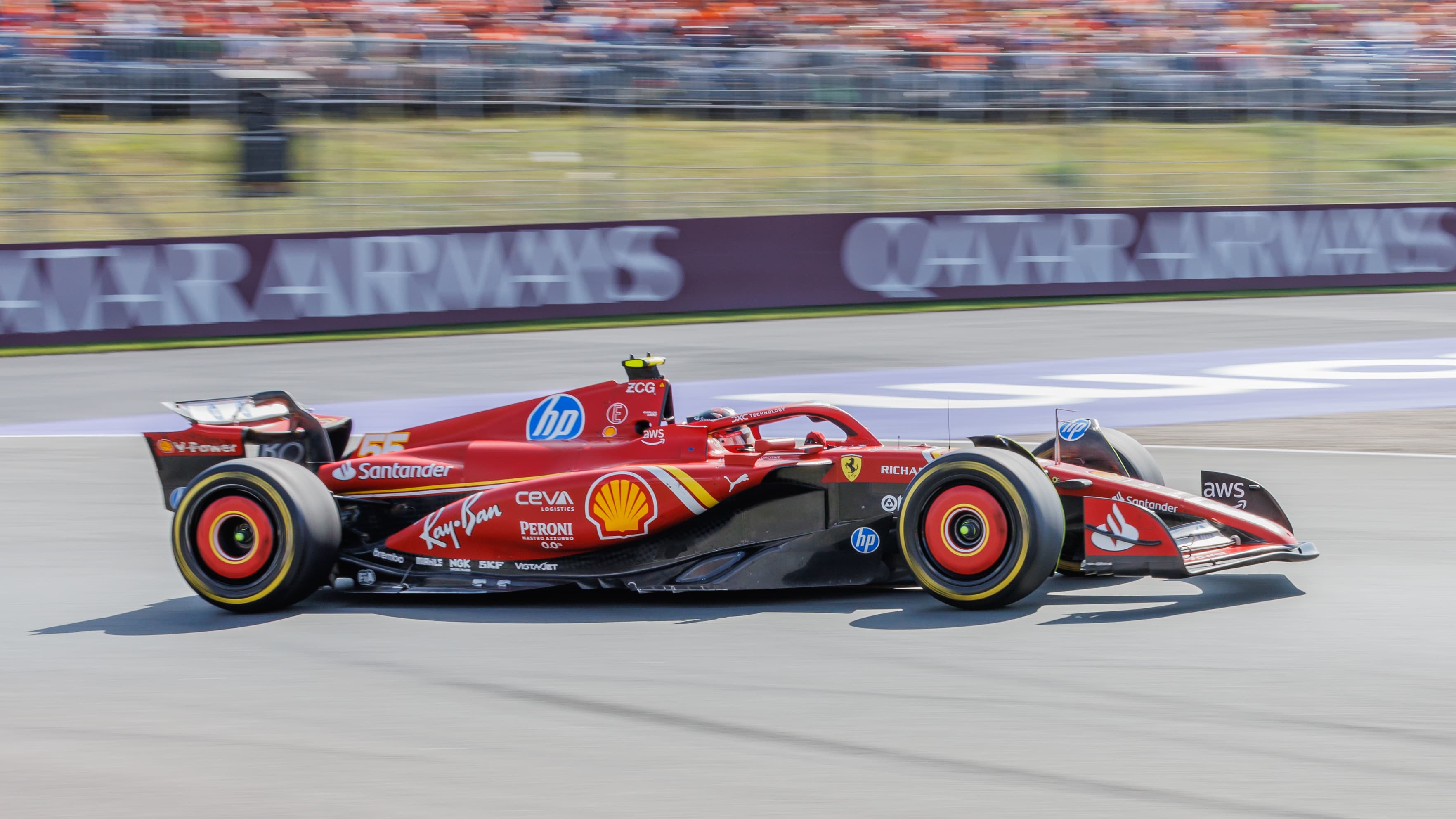
Quick answer
A regulated plank runs beneath the car with skid blocks protecting defined areas. Officials measure wear after running; excessive reduction can make the car technically non-compliant.
01
Why the plank exists
The component limits how close teams can operate the car to the track and provides a measurable reference beneath a highly complex aerodynamic floor.
02
Skid blocks and sparks
Hard wear-resistant inserts contact the surface at bumps and compressions. Their material can create the sparks seen behind cars at speed.
03
Post-session legality
The FIA checks prescribed measurement locations. A setup that gains performance by running too low risks excessive wear and disqualification regardless of intent.